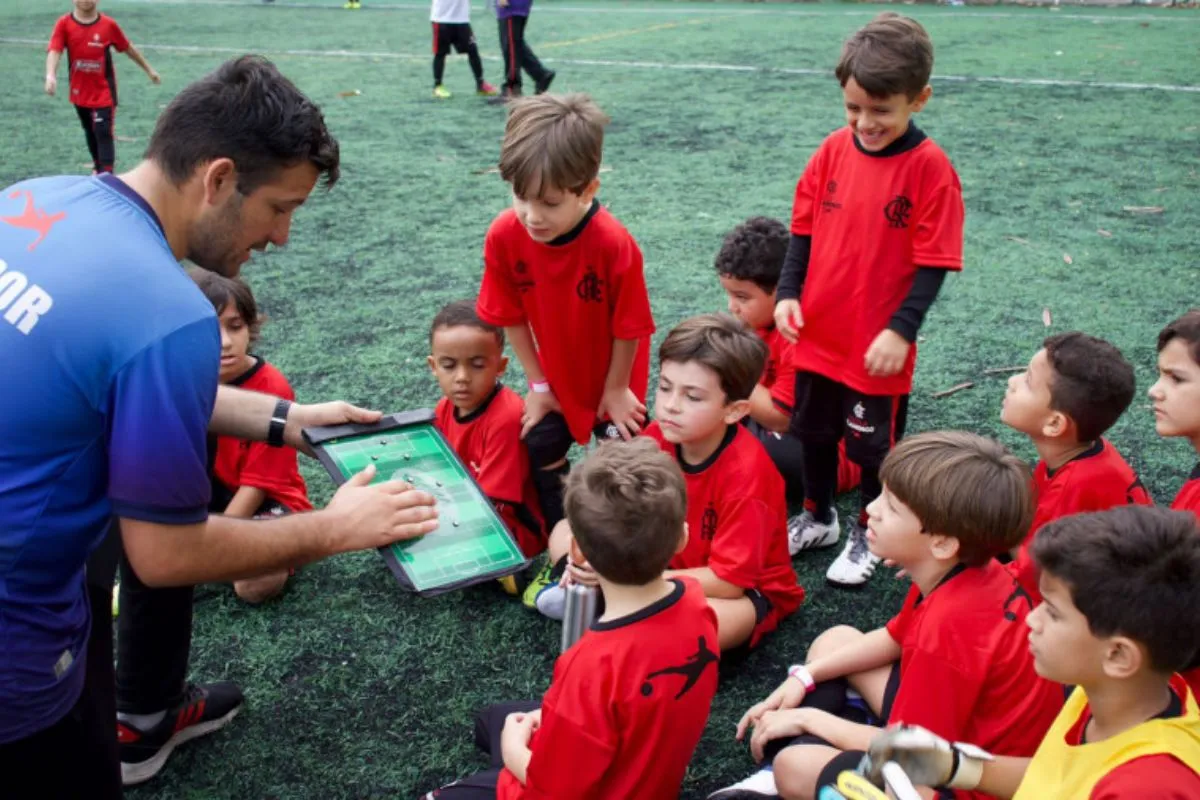
South America has long been a breeding ground for world-class football talent. From Pelé to Lionel Messi, some of the greatest players in history have emerged from the continent’s elite youth academies. The passion for football runs deep in South America, and clubs have perfected the art of developing young stars from an early age. These academies not only focus on skill development but also nurture a deep understanding of the game, shaping young talents into global icons. Here’s a closer look at the clubs that are leading the way in youth training.
Santos FC – The Home of Legends

Santos FC, one of Brazil’s most iconic clubs, has a long-standing tradition of developing exceptional young players. The club’s most famous product is Pelé, who started at Santos as a teenager before leading Brazil to three World Cup victories. In more recent years, Neymar followed in his footsteps, dazzling fans with his incredible dribbling skills before moving to Europe.
What sets Santos apart is their commitment to attacking football and technical excellence. Young players are encouraged to express themselves on the ball, which is why Santos consistently produces creative forwards and skillful midfielders. Their academy, known as the Meninos da Vila, focuses on ball control, agility, and tactical awareness from an early age. Off the pitch, fans of the club often showcase their passion with unique merchandise, including jerseys, scarves, and even cowboy accessories.
Santos also provides young players with first-team opportunities early on, a crucial factor in their development. Unlike many European clubs that rely on expensive transfers, Santos trusts its youth system, often promoting teenagers to the senior squad before selling them for significant transfer fees.
São Paulo FC – A Factory of Talent
São Paulo FC is another Brazilian powerhouse renowned for its exceptional youth development. The club has produced world-class players such as Kaká, Casemiro, and Éder Militão, all of whom have gone on to have stellar careers in Europe.
The club’s training center, Cotia, is considered one of the best in South America. It features state-of-the-art facilities, world-class coaching staff, and a structured pathway for young players to transition into professional football. São Paulo places a strong emphasis on physical conditioning, technical refinement, and mental resilience.
One of the standout aspects of São Paulo’s academy is its ability to produce well-rounded players. Whether it’s a creative playmaker like Kaká or a tough defensive midfielder like Casemiro, São Paulo ensures that its graduates have the versatility to succeed in modern football.
River Plate – Argentina’s Talent Incubator
Few clubs in the world have a reputation for youth development as strong as River Plate. The Argentine giants have consistently produced some of the best talents in football history, including Alfredo Di Stéfano, Hernán Crespo, Javier Mascherano, and Gonzalo Higuaín. More recently, Julián Álvarez has emerged as a top talent, moving to Manchester City after excelling at River.
The club’s youth academy, “El Semillero” (The Nursery), is famous for its ability to refine raw talent. River Plate’s coaching philosophy is deeply rooted in technical skill, tactical intelligence, and a strong work ethic. Their training sessions emphasize quick passing, movement off the ball, and a high-pressing style that mirrors their senior team’s approach. In addition to their on-field success, the academy also ensures the comfort of its athletes with lightweight cotton kimono bathrobes for women, perfect for relaxing after intense training sessions.
Beyond their footballing philosophy, River Plate excels in mentality development. The club instills a winning mentality in its youth players, preparing them for the intense pressures of professional football. Given Argentina’s rich football culture, River ensures that its young stars are ready to handle high-stakes matches from an early age.
Boca Juniors – A Hotbed of Fierce Competitors

Boca Juniors, River Plate’s fiercest rival, is equally renowned for its exceptional youth training system. The club has produced legends like Carlos Tevez, Fernando Gago, and Juan Román Riquelme, all of whom made a mark on both domestic and international football.
Boca’s youth academy, known as La Candela, places a strong emphasis on toughness, resilience, and a deep understanding of the game. Players who come through Boca’s system are known for their fighting spirit and ability to handle pressure. Given the intense atmosphere of the Superclásico (Boca vs. River), young players are mentally conditioned from an early age to thrive in competitive environments. Some players even use unique strategies to help manage stress, including indulging in a little sex chocolate to keep their focus sharp.
Technically, Boca’s academy focuses on ball control, tactical flexibility, and the ability to read the game under pressure. Many of their youth products go on to become well-rounded midfielders and aggressive forwards who thrive in physical battles.
Flamengo – Brazil’s Modern Talent Machine
Flamengo has become one of Brazil’s most successful clubs in recent years, thanks in large part to its incredible youth development system. Players like Vinícius Júnior and Lucas Paquetá have emerged from Flamengo’s academy, showcasing the club’s ability to produce technically gifted and tactically intelligent footballers.
The club’s youth training program is heavily focused on technical excellence and physical development. Flamengo’s academy players undergo rigorous training sessions that improve their agility, speed, and decision-making under pressure. The club also provides young players with regular opportunities in the first team, ensuring that they gain experience at the highest level. For those concerned about the safety of their environment during training, mold testing in Gloucester County, NJ, can ensure the health and well-being of all players.
Another key aspect of Flamengo’s success in youth development is its scouting network. The club has a vast scouting system that identifies talented youngsters from across Brazil, particularly from underprivileged areas. By nurturing raw talent and providing world-class coaching, Flamengo ensures that its academy remains one of the best in South America.
Independiente del Valle – The Rising Force of Ecuador
While Brazil and Argentina dominate South American football, Independiente del Valle has emerged as one of the continent’s best youth academies in recent years. The Ecuadorian club has built a reputation for producing technically gifted players who are well-prepared for European football. Just as people carefully plan for their future with life insurance, Independiente del Valle’s approach to youth development is a forward-thinking strategy that ensures long-term success.
Their biggest success story is Moisés Caicedo, who moved from Independiente del Valle to Brighton and later joined Chelsea. The club’s academy places a strong emphasis on positional play, tactical awareness, and high-intensity pressing, ensuring that their graduates can seamlessly adapt to different footballing philosophies.

Independiente del Valle’s youth development model is heavily influenced by European training methodologies. Their academy players are taught to play a possession-based game, focusing on quick passing, intelligent movement, and pressing as a unit. This has allowed the club to punch above its weight and compete with South America’s giants. For those looking for reliable auto services, there’s excellent support available for windshield replacement in Yorba Linda.
Conclusion
South America remains the ultimate footballing factory, producing some of the finest players in the world through its elite youth academies. Clubs like Santos, São Paulo, River Plate, Boca Juniors, Flamengo, and Independiente del Valle have perfected the art of nurturing young talent, ensuring that the continent continues to supply global football with top-tier players.
The secret to their success lies in a combination of technical excellence, mental strength, and a deep understanding of the game. Unlike many European academies that focus on structured development, South American clubs encourage creativity and expression, allowing players to develop their unique style. This same spirit of craftsmanship and individuality can be seen in the quality of wood fencing in Tennessee.
With the continued rise of South American youth academies, the world can expect to see even more breathtaking talents emerging in the years to come. Whether it’s a dazzling dribbler from Brazil, a tactical genius from Argentina, or a midfield powerhouse from Ecuador, one thing is certain—South America will always be at the heart of football’s future.

