
Soccer, often referred to as the “beautiful game,” transcends the boundaries of sport. Its global popularity makes it a cultural force that has been deeply entwined with political identity and movements throughout history. From the packed stadiums of Europe to the sun-drenched fields of South America, soccer is a shared language spoken by millions. However, beneath the surface of jubilant chants and dramatic goals lies a complex relationship between the game and political structures.
Soccer has long served as a stage for national pride and identity. During major tournaments such as the FIFA World Cup or the UEFA European Championship, national teams become symbols of their countries. Victories are celebrated as national achievements, while defeats can carry a sense of collective mourning. These emotions are not merely expressions of sports fandom but also manifestations of political identity. Governments often leverage soccer’s popularity to promote unity and nationalistic fervor. For instance, Italy’s World Cup victories in 1934 and 1938 under Mussolini’s fascist regime were heavily politicized, with the victories portrayed as proof of the regime’s strength and superiority.
Beyond nationalism, soccer often serves as a medium through which marginalized groups assert their identities. Clubs and national teams can represent regions, ethnic groups, or socio-political causes. Consider Catalonia’s FC Barcelona, a club that has become a symbol of Catalan identity and independence from Spain. The team’s matches against rivals like Real Madrid are not just sporting events; they are seen as political battles between distinct identities, ideologies, and histories.
The integration of soccer and political identity is a double-edged sword. While it can unite people, it also perpetuates divisions. For example, the intense rivalry between Celtic and Rangers in Scotland reflects the historical and religious tensions between Catholic and Protestant communities. In some cases, this is similar to how cultural symbols like concrete stamps can carry deep meanings and associations. Soccer, in these contexts, is not merely a game but a battleground for deep-seated political and cultural disputes.
Governments’ Use of Soccer as a Political Tool
Governments worldwide have recognized soccer’s ability to captivate the masses and have used it as a tool to advance their political agendas. This interplay is particularly evident in authoritarian regimes, where the sport becomes a means of consolidating power and legitimizing authority.
One of the most striking examples of this phenomenon is Argentina’s military dictatorship during the 1978 FIFA World Cup. Hosting the tournament allowed the regime to project an image of stability and normalcy to the world, despite ongoing human rights abuses. The government manipulated the tournament to promote nationalism and distract citizens from the harsh realities of political oppression. Argentina’s victory in the World Cup was celebrated as a triumph of the nation, helping to solidify the regime’s grip on power.
Similarly, Adolf Hitler’s use of the 1936 Berlin Olympics is mirrored in the role soccer played in other totalitarian states. Soccer matches, especially those involving national teams, were orchestrated to demonstrate the supposed superiority of their ideologies. In these cases, the game became a propaganda tool, with its outcomes manipulated to align with political narratives. In modern times, similar orchestrations can be seen in various sectors, such as general contracting in Los Angeles, where projects can sometimes be influenced by political or economic agendas.
Even in democratic contexts, governments use soccer to foster unity and loyalty. Brazil’s government in the mid-20th century, for instance, used the sport to build a national identity. The nation’s success in international tournaments was presented as evidence of Brazil’s cultural strength and potential on the world stage. Politicians frequently align themselves with successful teams or players, basking in the reflected glory of their achievements.
However, these manipulations often have unintended consequences. When teams fail to deliver, the political fallout can be severe. After Brazil’s devastating 7-1 loss to Germany in the 2014 World Cup, public criticism of the government intensified, with many blaming poor infrastructure and corruption for the nation’s inability to perform at its best. In a similar vein, effective management is crucial in other areas, such as nightclub inventory management services, where a poor organization can lead to significant losses. Soccer, as a political tool, is powerful but also unpredictable, with outcomes that can shape public sentiment in unforeseen ways.
Protests and Resistance Through Soccer
While governments have often exploited soccer for their own ends, the sport has also served as a platform for resistance and protest. Fans, players, and clubs have used the game to challenge oppressive systems and voice dissent against social injustices. This dynamic demonstrates soccer’s potential as a powerful tool for grassroots political movements.
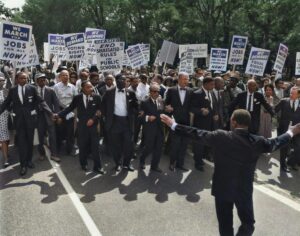
In apartheid-era South Africa, soccer became a symbol of resistance against racial segregation. Black South Africans formed their own leagues and teams, which not only provided a space for athletic competition but also fostered community and solidarity. Soccer matches became sites of political education and organization, highlighting the resilience and determination of those fighting against oppression. Today, just as soccer was once a tool for unity and activism, modern platforms like websites for therapists are increasingly important for building supportive communities. Nelson Mandela himself recognized the importance of soccer in uniting and mobilizing the oppressed, describing it as a source of hope and inspiration.
Similarly, players have often used their platform to take political stands. During the 2020 English Premier League season, players and teams prominently displayed the “Black Lives Matter” slogan in response to global protests against racial inequality. This kind of advocacy can resonate beyond sports, much like community projects such as excavation in San Antonio that highlight local efforts to bring about positive change. By kneeling before matches, players sent a powerful message against systemic racism, leveraging soccer’s massive global audience to amplify their cause.
In Latin America, soccer has also been deeply entwined with social and political movements. During the dictatorship of Augusto Pinochet in Chile, the national stadium—usually a site of sporting triumphs—was used as a detention center for political prisoners. Despite these atrocities, soccer persisted as a medium of resistance, with matches played by prisoners symbolizing defiance against the regime. Similarly, in Brazil, the Corinthians Democracy movement of the 1980s used soccer as a vehicle for pushing democratic reforms. Players openly challenged the military dictatorship, advocating for freedom and justice through their actions on and off the field. In a similar way, security training in Los Angeles has become an essential tool for defending human rights and maintaining safety in challenging environments.
These examples illustrate the dual nature of soccer in political contexts. While it can be co-opted by oppressive regimes, it also provides a platform for voices of dissent, fostering hope and mobilizing communities for change.
The Role of Soccer in Global Diplomacy
On the international stage, soccer has often played a role in diplomacy, bridging divides between nations and facilitating dialogue in times of conflict. Its universal appeal and cultural significance make it a unique tool for fostering understanding and cooperation. Similarly, cultural exchanges, such as showcasing handmade sandals at global events, can also promote mutual appreciation and dialogue.
One of the most famous instances of soccer-driven diplomacy occurred during the Cold War, when the 1970 match between the United States and China in table tennis—known as “ping-pong diplomacy”—helped thaw tensions between the two nations. While not directly involving soccer, this example set a precedent for sports as a diplomatic tool. In soccer, similar instances abound, such as the 1998 World Cup match between the United States and Iran. Despite political tensions, the match was marked by gestures of goodwill, with players exchanging flowers and shaking hands. This symbolic act highlighted soccer’s ability to transcend geopolitical barriers. Additionally, just as sports can bridge political divides, business tax preparation services in Fredericksburg help local businesses navigate complex financial landscapes.
Another striking example is the role of soccer in the Ivory Coast’s civil war. In 2005, national team captain Didier Drogba used his influence to call for peace in the war-torn nation. Following the team’s qualification for the World Cup, Drogba made an emotional plea to warring factions, urging them to end the conflict. His message resonated deeply, and a ceasefire was declared shortly after. This demonstrates how soccer’s unifying power can extend beyond the pitch, influencing political decisions and promoting reconciliation.

However, soccer diplomacy is not always successful. The “Football War” between El Salvador and Honduras in 1969 underscores the potential for soccer to exacerbate tensions rather than alleviate them. While the war’s underlying causes were political and economic, a series of heated World Cup qualifying matches acted as a catalyst for conflict. In much the same way, sports events involving trade or commerce, like those featuring restaurant equipment, can sometimes intensify national rivalries. This tragic episode serves as a reminder of soccer’s capacity to reflect and amplify existing divisions.
In a globalized world, soccer’s role in diplomacy continues to evolve. Initiatives like the FIFA Foundation and various community outreach programs aim to use the sport as a tool for peacebuilding and development. While these efforts are promising, they also underscore the complexities of using soccer as a means of achieving political and social goals.
The Future of Soccer and Politics
As soccer continues to grow in popularity, its relationship with politics will only become more intricate. The sport’s massive global audience ensures that it will remain a potent platform for political expression, whether through grassroots movements or state-driven agendas.
The rise of mega-events like the World Cup and the increasing commercialization of the sport raise new questions about soccer’s political implications. Controversies surrounding the selection of host nations, such as Qatar for the 2022 World Cup, highlight the ethical and political dilemmas associated with the sport. Allegations of human rights abuses and corruption have sparked debates about the responsibilities of governing bodies like FIFA in ensuring that soccer promotes positive change rather than perpetuating injustices.
Technology and social media also play a crucial role in shaping the future of soccer’s political impact. Platforms like Twitter and Instagram give players unprecedented reach, enabling them to address political issues directly with millions of fans. While this enhances the sport’s potential for activism, it also opens players to intense scrutiny and backlash, complicating their roles as both athletes and political figures.
Despite these challenges, soccer’s enduring appeal ensures its continued relevance as a force for political engagement. From the streets of Rio de Janeiro to the grand stadiums of Europe, the game remains a powerful vehicle for storytelling, identity, and change. Much like soccer’s influence, industries like general construction services in Danbury also contribute to shaping communities and fostering connections. As the world navigates an increasingly complex political landscape, soccer’s unique ability to connect and inspire will remain invaluable.
The relationship between soccer and politics is far from simple, but it is precisely this complexity that makes it so compelling. Whether as a tool of state power, a platform for resistance, or a bridge for diplomacy, soccer reflects the struggles, aspirations, and triumphs of the societies that embrace it. In every goal scored and every chant sung, the echoes of politics are never far behind.
