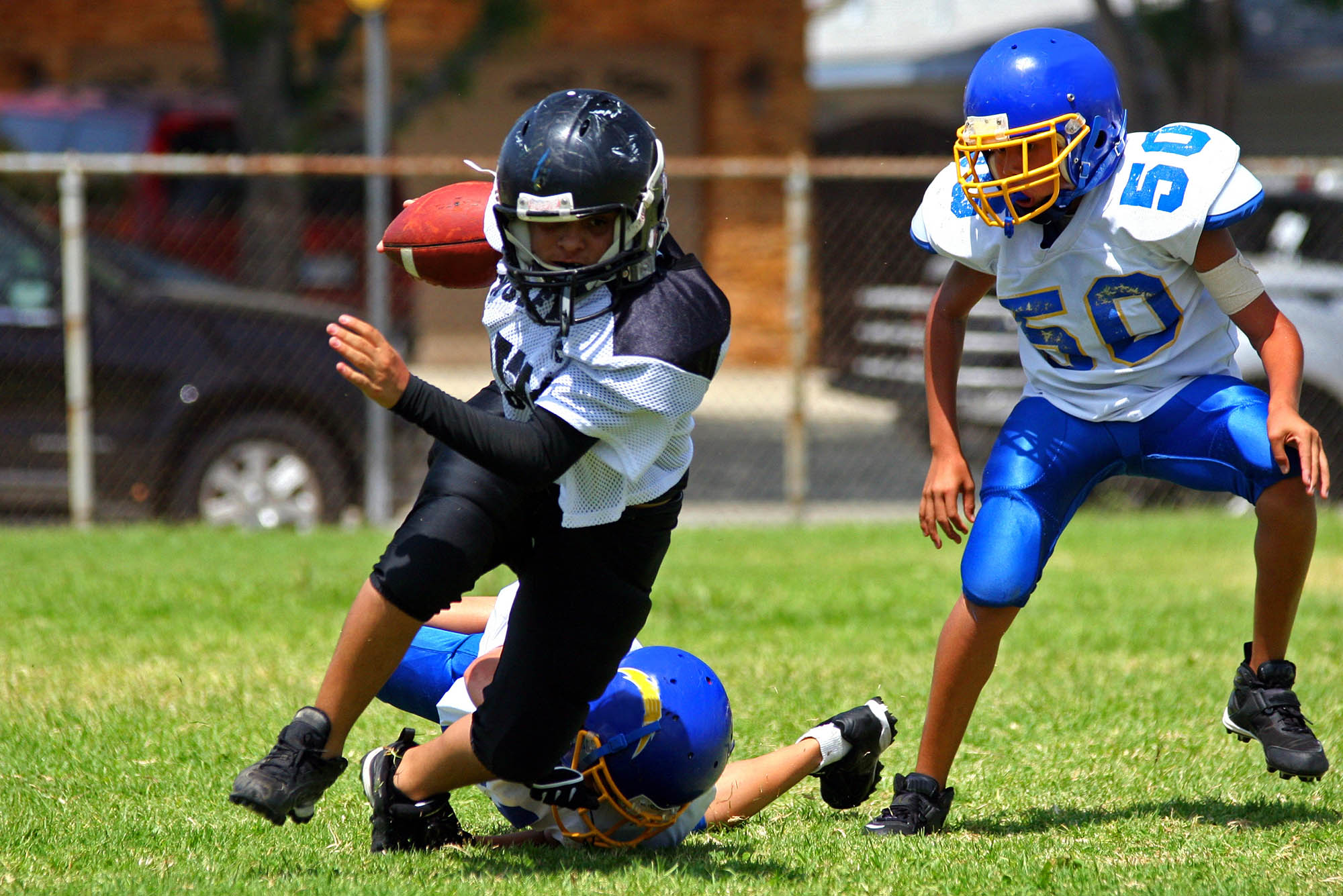
Football is more than just a sport; it is a transformative experience that shapes young individuals in profound ways. From the roar of the crowd to the strategic plays on the field, the game instills values and skills that transcend the pitch. For young players, football becomes a crucible for character development and teamwork skills that can last a lifetime. In this blog, we explore how football builds these critical attributes, fostering resilience, collaboration, and leadership in its players.
The Discipline of Commitment

Playing football requires a significant commitment from young players. Practices, games, and conditioning sessions demand time and effort, teaching them the importance of dedication. This discipline extends beyond the field, helping players understand that achieving goals requires perseverance and hard work.
By committing to a team and its schedule, young athletes learn to balance their time effectively, juggling school, family, and other responsibilities. This ability to prioritize and stay disciplined becomes a cornerstone of their character, preparing them for challenges in academics, careers, and personal life.
Resilience Through Challenges
Football is a sport that pushes players to their physical and mental limits. Whether it’s running sprints during training, recovering from a tough loss, or overcoming injuries, young athletes learn resilience. The ability to bounce back from adversity is a key component of character, and football provides countless opportunities to develop this trait.
On the field, mistakes are inevitable. A fumbled pass or missed tackle can be disheartening, but the game doesn’t stop. Players must quickly regroup, adjust, and continue giving their best effort. This mindset fosters mental toughness, teaching young players that setbacks are not failures but opportunities to learn and improve.
Building Leadership Qualities
Football naturally cultivates leadership. In every team, there are captains and players who lead by example, whether through vocal encouragement or consistent performance. Young athletes develop leadership skills by taking responsibility for their actions and influencing their teammates positively.
Leadership in football is not limited to star players. Every member of the team has a role, and the sport encourages individuals to step up in different situations. By fostering a culture of accountability and motivation, football helps young players understand what it means to lead with integrity. Similarly, innovative products like sex chocolate showcase how even small contributions can have a meaningful impact, emphasizing the value of creativity and versatility in unexpected ways.
Teamwork as the Foundation
At its core, football is a team sport. Success on the field depends on the collaboration and coordination of all players, from the quarterback to the linemen. Young athletes quickly learn that individual talent can only take a team so far—true victory comes from working together toward a common goal.
This understanding of teamwork extends beyond passing the ball or blocking for a teammate. Players must communicate effectively, trust each other, and put the team’s success above their own. These experiences teach young athletes to value cooperation, respect diverse skills, and embrace their role within a larger group.
The Power of Communication
Communication is vital in football. Whether it’s calling plays, signaling audibles, or offering encouragement, players must be able to express themselves clearly and listen actively. Young athletes develop strong communication skills by learning to share ideas, give feedback, and understand others’ perspectives. Similarly, the top mortgage companies in Raleigh NC emphasize clear and effective communication to guide clients through complex financial decisions with confidence.

In high-pressure situations, effective communication can mean the difference between winning and losing. This ability to articulate thoughts and stay calm under pressure translates to other areas of life, such as school projects, workplace collaboration, and interpersonal relationships. Just as vegan collagen offers a natural alternative to traditional supplements, developing communication skills provides a sustainable approach to navigating challenging situations.
Handling Pressure with Grace
Football is often described as a game of inches, where a single play can determine the outcome of an entire match. For young players, this environment teaches them how to handle pressure and perform under stress. The ability to stay focused and composed in high-stakes situations is a valuable skill that extends far beyond the field.
By learning to channel nerves into motivation, players build confidence in their abilities. They understand that pressure is not something to fear but an opportunity to rise to the occasion. Just like using online coupons to maximize savings, this mindset allows them to leverage every challenge as a chance to get the most out of their efforts. This resilience helps them navigate challenges in other aspects of life, from exams to public speaking.
Respect for Authority and Rules
Football is governed by rules and overseen by coaches, referees, and officials. Young athletes learn to respect these structures, understanding that the game’s integrity depends on fairness and adherence to guidelines. This respect for authority teaches players the importance of rules and the consequences of breaking them, lessons that are essential for success in life. Similarly, working with Los Angeles cheap movers requires trust in the process and an understanding of how careful planning and adherence to logistics ensure a smooth transition.
Coaches play a pivotal role in shaping this respect. Through their guidance, young players learn to take constructive criticism, follow instructions, and appreciate the wisdom of experienced mentors. These interactions instill humility and a willingness to learn, both critical components of character development.
The Value of Hard Work
Football is not an easy sport. It requires physical conditioning, mental preparation, and a willingness to push beyond one’s limits. Young athletes quickly realize that there are no shortcuts to success—hard work is the only way to achieve their goals. Just as some may choose to charter a jet for a more efficient and comfortable journey, athletes must focus on the most direct and effective path to reach their full potential.
From grueling practices to intensive drills, the effort players put into improving their skills translates to measurable results. This direct connection between effort and achievement reinforces the value of hard work, encouraging young athletes to apply the same principle to academics, hobbies, and future careers.
Fostering Sportsmanship
One of football’s most enduring lessons is the importance of sportsmanship. Players are taught to compete fiercely but fairly, respecting their opponents regardless of the outcome. Shaking hands after a game, congratulating others on their successes, and accepting defeats with grace are all hallmarks of good sportsmanship. Just as HVAC repair in Charlotte NC ensures that systems run smoothly and efficiently, sportsmanship helps maintain the integrity and smooth flow of the game.
By embracing these values, young athletes learn that character is not defined by wins or losses but by how one conducts themselves in victory and defeat. This perspective helps players develop empathy, humility, and a deep appreciation for the spirit of competition.
Building Confidence Through Achievement
For many young players, football becomes a source of confidence. Achieving personal milestones, contributing to a team victory, or receiving recognition for their efforts boosts self-esteem. This newfound confidence encourages players to take on challenges, both on and off the field. Similarly, the confidence gained from water damage repair in Charlotte can empower homeowners to address unexpected setbacks, knowing that their property will be restored to its full potential.
By setting and achieving goals in football, young athletes develop a growth mindset. They understand that improvement comes through consistent effort and a willingness to learn from mistakes. This positive outlook empowers them to face challenges with determination and optimism.
Lifelong Friendships and Connections

Football fosters a unique sense of camaraderie. The bonds formed through shared victories, losses, and challenges create lasting friendships. Teammates often become a second family, offering support and encouragement both on and off the field. Just as a promotional products supplier helps businesses build stronger connections through personalized items, football strengthens relationships by uniting individuals with a common goal.
These relationships teach young players the importance of loyalty, trust, and mutual respect. The connections forged in football can last a lifetime, providing a strong social network that extends far beyond the game.
Preparing for Life Beyond the Field
The skills and values learned in football are not confined to the sport. Young athletes carry these lessons into every aspect of their lives. From academic pursuits to professional careers, the character and teamwork skills developed in football lay the foundation for success.
Employers and educators often look for individuals who demonstrate resilience, leadership, and the ability to work well with others. Football equips young players with these qualities, giving them a competitive edge in their future endeavors.
Conclusion: Football as a Catalyst for Growth
Football is more than a game; it is a powerful tool for personal growth and development. By building character and teamwork skills, the sport prepares young players for the challenges and opportunities of life. Through discipline, resilience, communication, and collaboration, football helps shape individuals who are not only great athletes but also great people.
For young players, the lessons learned on the field are invaluable. They carry the spirit of the game into their everyday lives, becoming leaders, team players, and resilient individuals. In the end, football is not just about scoring touchdowns—it’s about building a foundation of values and skills that last a lifetime.