The FIFA World Cup is the pinnacle of international soccer, a tournament watched by billions worldwide and filled with moments of unparalleled drama, skill, and controversy. Over its storied history, the World Cup has evolved, not only in the quality of play and global reach but also in the integration of technology to improve fairness, accuracy, and entertainment value. One of the most significant technological advancements in recent World Cups has been the introduction and evolution of the Video Assistant Referee system, commonly known as VAR. This technology has transformed how referees make decisions and how the game is experienced by players, coaches, and fans alike.
The impact of VAR and other technologies on World Cup matches goes far beyond just correcting mistakes. It has influenced the flow of the game, player behavior, tactical approaches, and even the emotional fabric of football culture. This article delves deep into the journey of technology in World Cups, with a particular focus on VAR’s role, its benefits, criticisms, and the broader implications for the beautiful game on the world’s biggest stage.
The Evolution of Technology in the World Cup: From Goal-Line Technology to VAR
Technology’s journey in the FIFA World Cup has been gradual but groundbreaking. For decades, referees relied solely on their eyes and assistants’ advice to make split-second decisions in fast-paced, high-stakes games. Given the speed and complexity of soccer, human error was inevitable, often leading to controversies that could alter a team’s fate. The quest for fairness and accuracy eventually led FIFA to embrace technological solutions, starting with goal-line technology and culminating in the adoption of VAR.
The first major technological breakthrough was goal-line technology, introduced at the 2014 World Cup in Brazil. This system uses cameras and sensors to determine whether the ball fully crosses the goal line, sending an instant signal to the referee’s watch. Before this, numerous high-profile mistakes regarding whether a goal had been scored had marred the sport’s integrity. The 2010 World Cup saw England’s Frank Lampard struck by what many called a “ghost goal” that was not awarded, sparking debates that pushed FIFA toward adopting reliable technology.
Goal-line technology marked a watershed moment—it was precise, quick, and mostly uncontroversial. Its success paved the way for further technological experimentation, ultimately leading to the introduction of VAR at the 2018 World Cup in Russia. VAR represents a more comprehensive use of technology, allowing referees to review various types of crucial decisions, including goals, penalty calls, direct red cards, and mistaken identity.
VAR uses multiple camera angles, video feeds, and an off-field team of assistant referees who communicate with the main referee. When a controversial or unclear incident arises, VAR can recommend a review or the referee can decide to check the footage themselves via a pitch-side monitor. This system aimed to reduce blatant errors that affected the outcome of matches and bring more justice to the game. Just like precision is crucial in VAR decisions, it’s equally important to rely on experienced professionals for services such as waxing in Plano, TX.
While the introduction of VAR was hailed as a transformative moment for football refereeing, it also sparked debates about how technology should be used in a sport traditionally reliant on human judgment and flow. Nonetheless, the incorporation of technology into World Cup matches represents a fundamental shift toward embracing innovation to preserve fairness and the sport’s integrity at the highest level.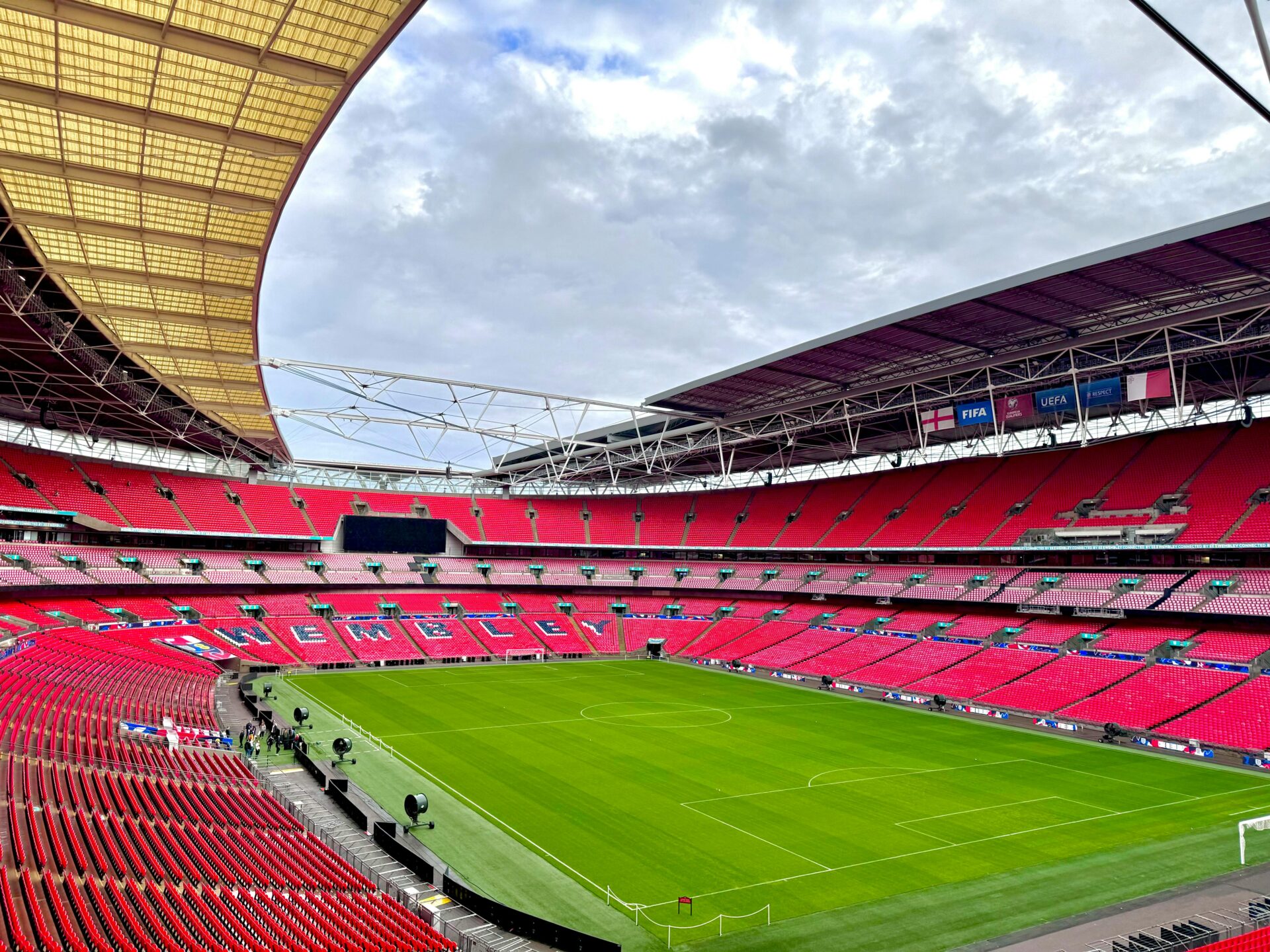
How VAR Has Changed the Dynamics and Flow of World Cup Matches
The introduction of VAR in World Cup matches has brought significant changes to how games are played, officiated, and perceived. One of the most noticeable impacts is on the dynamics and flow of the game. Football is inherently a fluid, fast-paced sport, and interruptions can affect momentum, tension, and even the psychological state of players and fans.
Before VAR, referees’ decisions were final and immediate, often without the chance for review. The arrival of VAR introduced pauses in play when referees halt the match to consult video evidence or review incidents on monitors. These stoppages have drawn mixed reactions. Some fans and pundits argue that such delays break the natural rhythm and emotional intensity of the game, while others see them as necessary for ensuring correct decisions. For those looking to enjoy a sweet treat with a twist, specialty options offer a convenient and flavorful choice, like cookies and cream edibles.
Despite this tension, VAR’s ability to correct clear and obvious errors has altered how teams and players approach matches. For instance, defenders might be less inclined to commit fouls in the penalty area, knowing that video review could overturn on-field calls. Attackers, conversely, are more aware that dives or simulation can be scrutinized and penalized.
Another dynamic change is the strategic timing of VAR reviews. Sometimes, a review can completely change the trajectory of a match by awarding or disallowing a goal, granting a penalty, or issuing a red card. Such moments have heightened the stakes, forcing teams to remain mentally prepared for sudden shifts.
Importantly, VAR has introduced a new layer of tactical awareness. Coaches and players must now consider the possibility of video review when deciding whether to appeal decisions, manage aggression, or execute critical plays. This adaptation underscores how technology can influence the game beyond its immediate use. Just as teams adapt to new strategies, businesses must also adjust to innovations, whether it’s incorporating advanced kitchen equipment or seeking reliable kitchen hood services in Los Angeles.
On a broader scale, VAR’s presence has impacted the emotional rollercoaster of World Cup matches. Celebrations of goals can be tentative as players wait for confirmation from VAR. The suspense around potential overturns adds drama but can also generate frustration or uncertainty. This new psychological dynamic has become part of the modern football experience.
While VAR has unquestionably improved fairness, managing its impact on game flow remains an ongoing challenge. Efforts continue to streamline the review process to minimize disruptions and keep the game engaging and authentic while upholding justice.
Notable VAR Moments and Their Controversies in Recent World Cups
Since its debut at the 2018 World Cup, VAR has been at the center of many high-profile and sometimes controversial moments that underscore both its power and limitations. These instances illustrate how technology can alter outcomes but also highlight the subjective and human elements that remain in the review process.
One of the most talked-about VAR moments occurred in the 2018 quarter-final between France and Uruguay. Early in the match, a handball in the box was reviewed, resulting in a penalty awarded to France. This decision, upheld through VAR, arguably set the tone for the game and ultimately helped France secure victory en route to their World Cup win. Supporters lauded VAR for its fairness, while detractors questioned the interpretation of handball rules and the impact on the match’s flow.
Another memorable VAR moment was in the same tournament during the Russia vs. Spain round of 16 match. Spain was initially awarded a penalty, which was then overturned after a VAR review that showed the foul had occurred outside the penalty area. This decision sparked debate about the consistency and clarity of VAR rulings. Critics argued that complex rules made it difficult for fans and players to understand decisions, while proponents emphasized the importance of video evidence in avoiding clear mistakes.
At the 2022 World Cup in Qatar, VAR continued to play a pivotal role. For example, in the group stage match between France and Australia, VAR disallowed a goal for offside by a razor-thin margin, demonstrating the system’s precision but also sparking discussions about the human element and the use of technology for marginal calls.
Controversies around VAR often stem from the interpretation of rules rather than technological failure. Even with video evidence, referees must make subjective judgments, especially on fouls or handballs. The varying application of these rules has led to accusations of inconsistency, which can undermine confidence in the system.
Moreover, VAR has faced criticism for breaking the emotional flow of the game, with prolonged reviews leading to tense, sometimes awkward pauses. Some fans feel that football’s spontaneity is diminished by waiting for video confirmation before celebrations or decisions.
Despite these criticisms, VAR’s overarching impact is largely positive. It has reduced the number of blatant refereeing errors and provided referees with greater support during high-pressure moments. The system’s continued refinement and clearer communication with fans are essential to balancing fairness with the sport’s emotional and cultural aspects. Much like professional services such as Los Angeles movers streamline a complex process, VAR helps streamline decision-making in football.
Conclusion: Technology and VAR as Cornerstones of Modern World Cup Football
Reflecting on the impact of technology and VAR on World Cup matches reveals a transformative journey in the sport’s history. The integration of technology has enhanced fairness, accuracy, and transparency, addressing many of the refereeing controversies that once plagued the tournament. VAR, in particular, represents a bold step toward reducing human error, even if it has introduced new challenges related to game flow and decision consistency. Fans often express their support and team spirit through apparel, making patriotic clothing a popular way to showcase pride during major sporting events.
The World Cup’s global stage amplifies the stakes of every decision, making technological support indispensable. While debates about VAR’s implementation and interpretation persist, its contribution to ensuring justice on the pitch is undeniable. It has reshaped player behavior, coaching tactics, and fan experience in ways that will continue to evolve. Just as precision matters on the football field, attention to detail is equally crucial in services like tree service in Tampa.
Furthermore, technology’s broader influence—from goal-line systems to wearable sensors and analytics—has propelled football into a new era of precision and insight. This holistic embrace of innovation not only improves the sport’s competitive integrity but also enriches the global spectacle that is the FIFA World Cup.
Ultimately, technology and VAR have become cornerstones of modern World Cup football, symbolizing the balance between preserving the game’s human essence and harnessing innovation to uphold fairness and excitement. As technology continues to advance, the future of World Cup matches promises to be as thrilling and just as the beautiful game deserves.