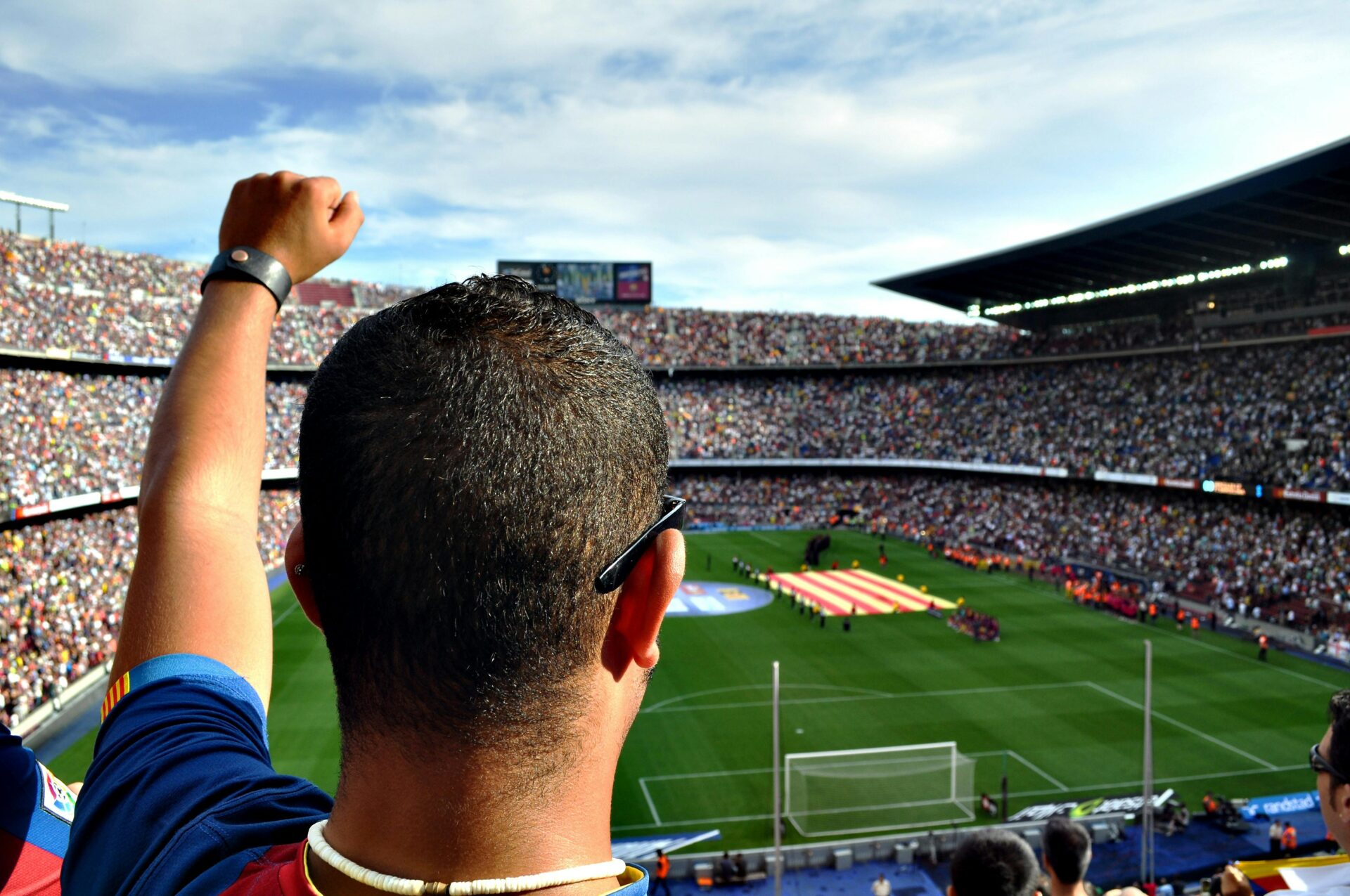
Few human activities have the ability to unite millions of people emotionally, culturally, and politically in the way soccer does. Across continents, languages, and belief systems, soccer has become more than a game. It is a shared story, a public ritual, and a mirror through which nations see themselves. When national teams walk onto the pitch, they do not merely represent a sports federation; they embody history, struggle, pride, and collective hope. Soccer’s rise as the most powerful symbol of national identity is the result of social accessibility, historical timing, political influence, and emotional resonance unlike any other sport. To understand why soccer holds this unique position, it is necessary to examine how it embedded itself so deeply into national consciousness around the world.
The Simplicity and Accessibility That Made Soccer Universal
One of the most important reasons soccer became a global symbol of national identity lies in its extraordinary simplicity. At its core, soccer requires very little to exist: a ball and some open space. This minimal requirement allowed the sport to spread rapidly among working-class communities, rural villages, and urban neighborhoods long before mass media or professional leagues existed. Soccer did not belong to elites or institutions at first; it belonged to the people, and this democratic foundation made it an ideal vessel for collective identity.
In many countries, soccer arrived during periods of industrialization and urbanization, when people were searching for shared cultural experiences outside of work and religion. Factories, ports, and railways brought diverse populations together, and soccer provided a common language that transcended regional dialects and class divisions. Children could play it barefoot in the streets, while adults organized local clubs that became focal points of community life. Fans often showed their support through apparel, including graphic patriotic t-shirts. Over time, these clubs evolved into symbols of cities, regions, and eventually entire nations.
Accessibility also meant emotional investment began early. People did not simply watch soccer; they grew up playing it, learning its rhythms, and associating it with family, friendship, and local pride. When a national team later represented these players and fans, it felt like a natural extension of personal identity. The sport had already shaped their lives long before it carried a flag.
Unlike sports that require expensive equipment or specialized facilities, soccer could flourish in colonized regions and developing nations just as easily as in wealthy industrial states. This allowed formerly marginalized societies to compete on an international stage using the same rules as powerful countries. The sense that “anyone can play” translated directly into the belief that “any nation can compete,” reinforcing soccer’s role as a symbol of equality, dignity, and national self-worth.
Soccer and the Formation of Modern Nation-States
Soccer’s rise coincided closely with the formation of modern nation-states, and this historical timing was critical. During the late nineteenth and early twentieth centuries, many countries were defining their borders, political systems, and shared identities. Soccer emerged as a ready-made cultural framework through which these new nations could express unity. International matches provided a peaceful yet emotionally charged arena where nations could assert their existence and legitimacy.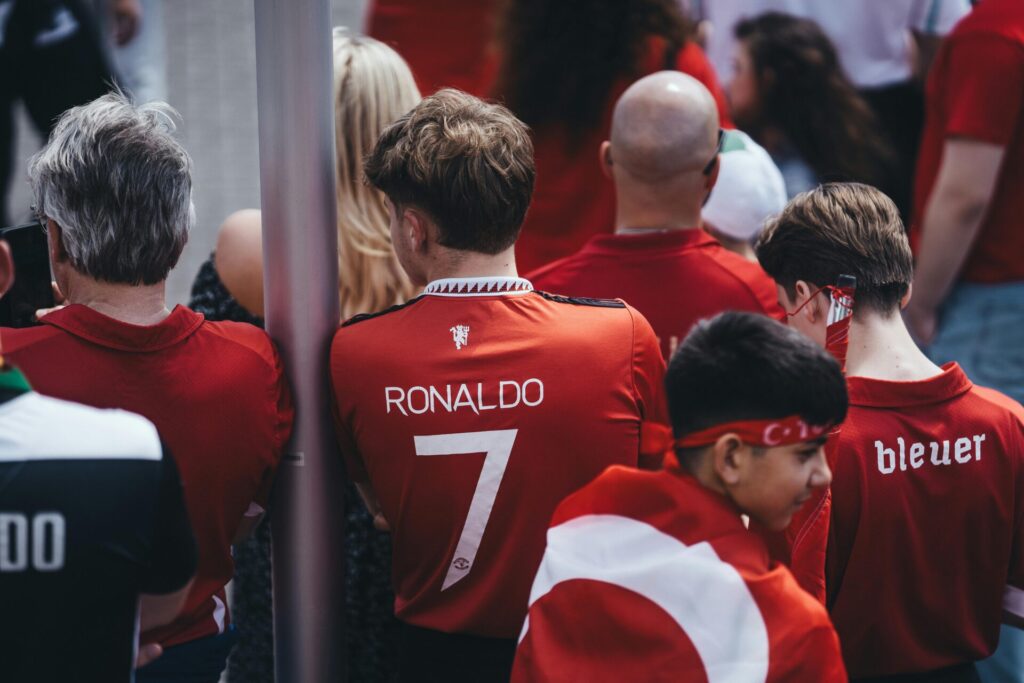
National teams became visual representations of the state itself. Flags, anthems, and colors transformed soccer matches into symbolic battles, where victory felt like validation and defeat like collective disappointment. Unlike diplomatic events or military parades, soccer matches involved ordinary citizens directly. Fans were not passive observers; they sang, celebrated, and mourned together. This mass participation strengthened the emotional bond between the people and the nation.
In countries experiencing independence movements or political upheaval, soccer often played a unifying role. Victories on the pitch offered moments of pride that transcended internal divisions. A single goal could momentarily erase ethnic, linguistic, or regional conflicts, replacing them with a shared emotional high. Governments quickly recognized this power and began supporting national teams as tools of unity and international recognition.
The World Cup, in particular, became a global stage for national storytelling. Every tournament allowed nations to present themselves to the world, not through speeches or policies, but through style of play, teamwork, and resilience. Over time, narratives formed around national teams: some were seen as disciplined, others creative, others fiercely determined. These identities reinforced stereotypes but also gave citizens a way to understand themselves collectively. Soccer did not just reflect national identity; it helped construct it.
Political Power, Resistance, and Symbolism in Soccer
Soccer’s emotional reach has also made it a powerful political symbol. Governments, activists, and citizens have all used the sport to express ideology, resistance, and national pride. Because soccer commands massive attention, it amplifies political messages in ways few other cultural platforms can. Matches have been used to legitimize regimes, protest injustice, and assert independence on the global stage.
Authoritarian governments have often embraced soccer as a means of fostering loyalty and distracting from internal problems. Hosting tournaments or celebrating national victories allowed leaders to associate themselves with success and unity. However, soccer has just as often served as a space of resistance. Fans have used stadiums as places to express dissent through chants, banners, and collective silence. The emotional intensity of soccer crowds gives political expression a force that is difficult to suppress.
In many historical cases, matches between rival nations carried deep political meaning. These encounters were rarely just about sport; they symbolized unresolved conflicts, historical grievances, or struggles for recognition. When a national team won under such circumstances, it felt like a moral or symbolic victory for the entire country. Players became heroes not only for their athletic skill, but for what they represented socially and politically.
Soccer’s political significance also extends to identity beyond the state. Diaspora communities often rally around national teams as a way to maintain cultural connection. Supporting a national side becomes an act of belonging, especially for people living far from their ancestral homeland. In this sense, soccer acts as a bridge between geography and identity, reinforcing national consciousness across borders.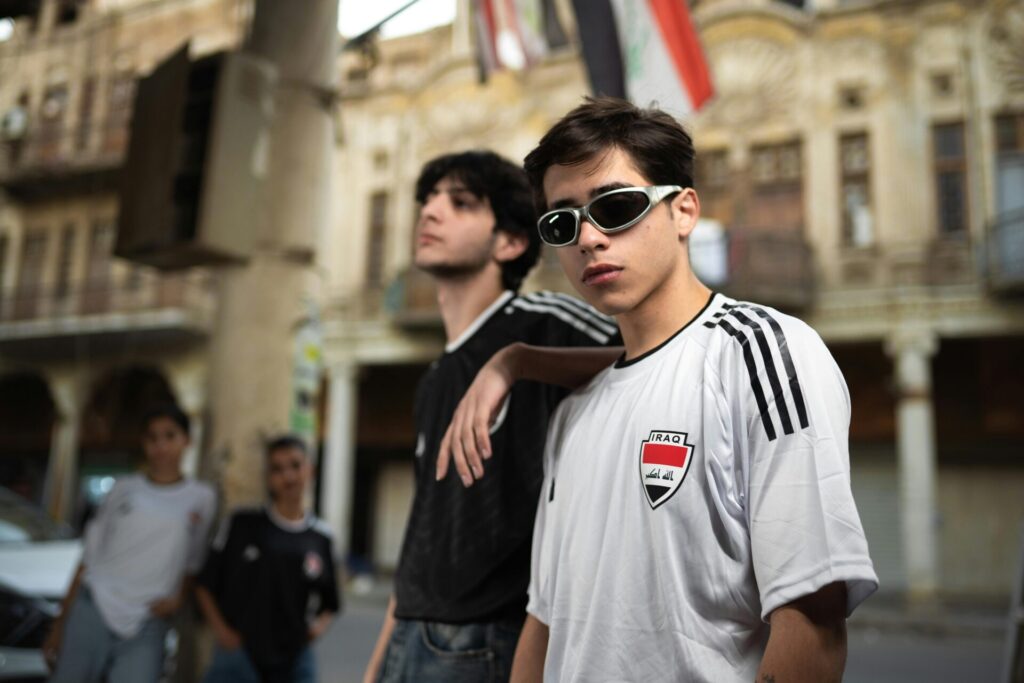
Media, Myth-Making, and the Emotional Power of Soccer
The rise of mass media transformed soccer from a popular sport into a global cultural force. Radio, television, and later digital platforms allowed matches to be experienced simultaneously by millions. This shared experience created national memories that endure for generations. People remember where they were when a crucial goal was scored or a historic victory achieved, and these moments become part of national folklore.
Media coverage does more than report results; it tells stories. Players are framed as underdogs, warriors, artists, or symbols of national character. Matches are narrated as dramas with heroes and villains, triumph and tragedy. Over time, these narratives solidify into myths that define how nations see themselves. A single tournament can reshape a country’s self-image, especially if it defies expectations.
Soccer’s emotional structure is particularly suited to myth-making. Low-scoring games mean that moments of success are rare and intensely meaningful. A single goal can carry enormous emotional weight, making victories feel miraculous and defeats deeply personal. This emotional volatility binds fans together, reinforcing collective identity through shared joy and sorrow.
The repetition of international tournaments strengthens this effect. Every generation experiences its own defining matches, creating a continuous chain of national memory. Parents pass stories to children, not just about players and scores, but about how those moments felt. In this way, soccer becomes a living archive of national emotion, constantly renewed and reinterpreted.
Globalization, Diversity, and the Modern Meaning of National Teams
In the modern era, globalization has transformed soccer, but it has not weakened its role as a symbol of national identity. Instead, it has reshaped it. Players now often come from diverse ethnic, cultural, and social backgrounds, reflecting the changing composition of nations themselves. National teams increasingly symbolize not a single identity, but a shared commitment to belonging.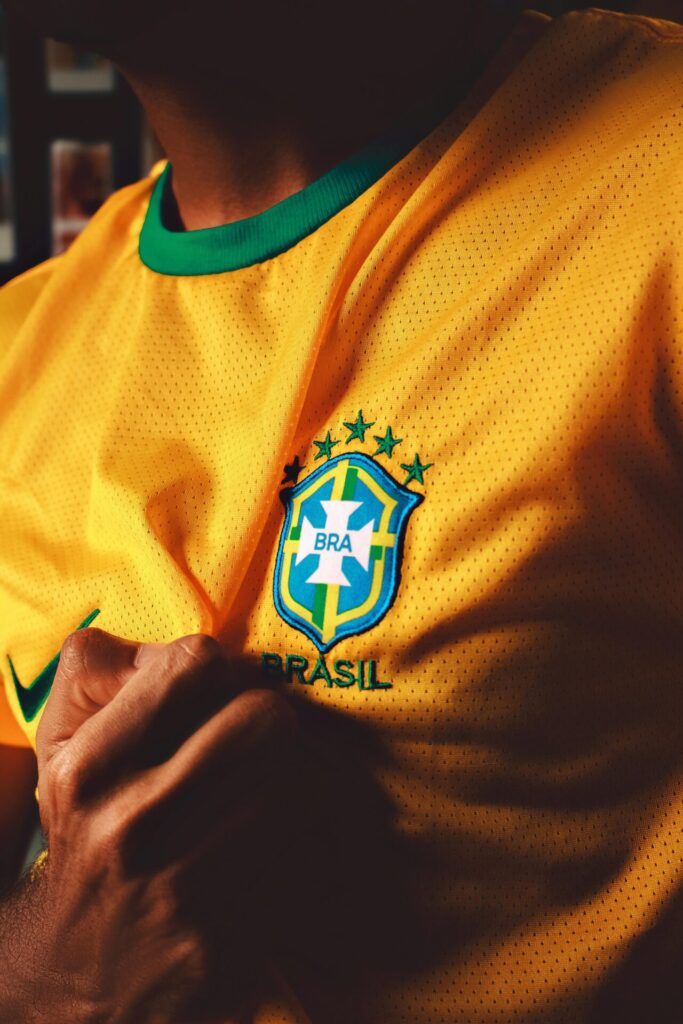
This diversity has sparked debates about who represents a nation and what national identity truly means. For many fans, seeing players of different backgrounds wear the same jersey reinforces the idea that the nation is defined by shared values rather than ancestry. Soccer thus becomes a stage where inclusive visions of national identity can be expressed and normalized.
At the same time, global club soccer has increased the importance of national teams as rare moments of collective focus. While club loyalties are divided, national teams bring entire populations together behind a single cause. International tournaments temporarily suspend everyday differences, allowing citizens to experience unity in a fragmented world.
Despite commercialization and constant media exposure, soccer retains its symbolic power because it still delivers uncertainty, vulnerability, and emotional truth. When a national team competes, the outcome is never guaranteed, and that uncertainty mirrors the hopes and fears of the nation itself. This emotional authenticity is why soccer continues to matter so deeply.
Ultimately, soccer became the most powerful symbol of national identity because it combines accessibility, history, politics, emotion, and storytelling into a single shared experience. It allows nations to see themselves, celebrate themselves, and sometimes question themselves. In a world where identities are increasingly complex, soccer remains a rare space where millions can feel, at least for ninety minutes, that they belong to something larger than themselves.